2026 Agent Shutdowns: Building Persistent AI via Logic Autonomy and Self-Hosting
The Sudden Vanishing of the "Platform Agent" Era
On July 4, 2026, the developer community woke up to a seismic shift in the AI landscape. Two of the industry's largest players, ByteDance’s Doubao and Alibaba’s Tongyi Qianwen, simultaneously announced the decommissioning of user-created AI Agents.
The timelines were uncompromising: Tongyi Qianwen halted anthropomorphic interaction features by July 10, with a total shutdown of agent services by July 15. Doubao followed suit, setting a final data clearance deadline for October 15. These were not isolated incidents; Tencent Yuanbao and NetEase’s "Miaoshi" had already signaled their retreat weeks earlier.
The catalyst was the "Interim Measures for the Management of AI Anthropomorphic Interaction Services," a regulatory framework effective July 15, 2026. This regulation specifically targets services simulating human personality and emotional bonding, exempting only productivity-focused tools like customer service bots or coding assistants. Consequently, major platforms are pivoting away from C-end UGC (User Generated Content) emotional agents to B-end enterprise productivity models (such as Coze 2.0 and QoderWork). For the independent developer, the lesson is clear: if you don’t own the logic, you don’t own the asset.
Deconstructing the Three Structural Risks of Platform Dependency
Relying on built-in platform capabilities for your Agent's "brain" creates a fragile foundation. When you build within a closed ecosystem, you are exposed to three primary vulnerabilities:
- Policy and Regulatory Risk: As seen with the July 15 mandate, compliance requirements can change overnight. Platforms, prioritizing corporate survival over individual creator assets, will choose to "cut and run" rather than navigate complex anthropomorphic service regulations.
- Data and Intellectual Property Risk: When an Agent is hosted on a platform, your prompt engineering, RAG (Retrieval-Augmented Generation) knowledge bases, and interaction histories are stored in proprietary silos. Once a service is discontinued, your "configurations" often vanish or are rendered into non-reusable data exports.
- Commercial Strategy Risk: Platforms frequently shift focus. A "low-value" scenario for a tech giant (like niche emotional support or specialized roleplay) might be your entire business model. When a platform reorganizes its resources to favor B-end productivity, your project becomes "collateral damage."
Comparison: Platform-Managed vs. Logic-Autonomous Agents
| Feature | Platform-Managed (e.g., Doubao, Qianwen) | Logic-Autonomous (Self-Hosted) |
|---|---|---|
| Data Ownership | Controlled by platform; subject to deletion | Full ownership of DB and vector stores |
| Logic Portability | Zero; locked into proprietary GUIs | High; can switch LLM APIs (GPT, Claude, Llama) |
| Compliance Control | Platform decides if you are "compliant" | You implement guardrails based on specific laws |
| Continuity | At the mercy of service TOS | Persistent as long as your server is running |
| Startup Cost | Free / Low (at the cost of control) | Moderate setup; low operating cost |
Achieving Logic Autonomy: A Practical Architecture Decouple
To build an Agent that survives the 2026 landscape, you must implement "Logic Autonomy." This means physically separating the orchestration logic from the execution environment.
- Decouple the Orchestration Layer: Move away from drag-and-drop platform builders. Use open-source frameworks like LangChain, LangGraph, or AutoGPT. Host the code in your own private GitHub or GitLab repository.
- Self-Hold the Memory and Knowledge Base: Instead of uploading PDFs to a platform’s "Knowledge" tab, use a standalone vector database (e.g., Milvus, Pinecone, or a local Chroma instance). This ensures your RAG data remains accessible regardless of which LLM you use.
- Multi-Model API Strategy: Never hardload your logic to a single model. Use an API gateway or an abstraction layer that allows you to swap between OpenAI, Anthropic, or local models (via Ollama) with a single environment variable change.
- Containerize the Environment: Package your Agent logic into Docker containers. This allows you to migrate from a local machine to a cloud VPC or a dedicated edge server in minutes.
- Local "Brain" Deployment: For sensitive prompt processing and state management, run a local lightweight server to process the logic before sending sanitized queries to external LLM APIs.
Hard Truths: Data and Costs of Moving Local
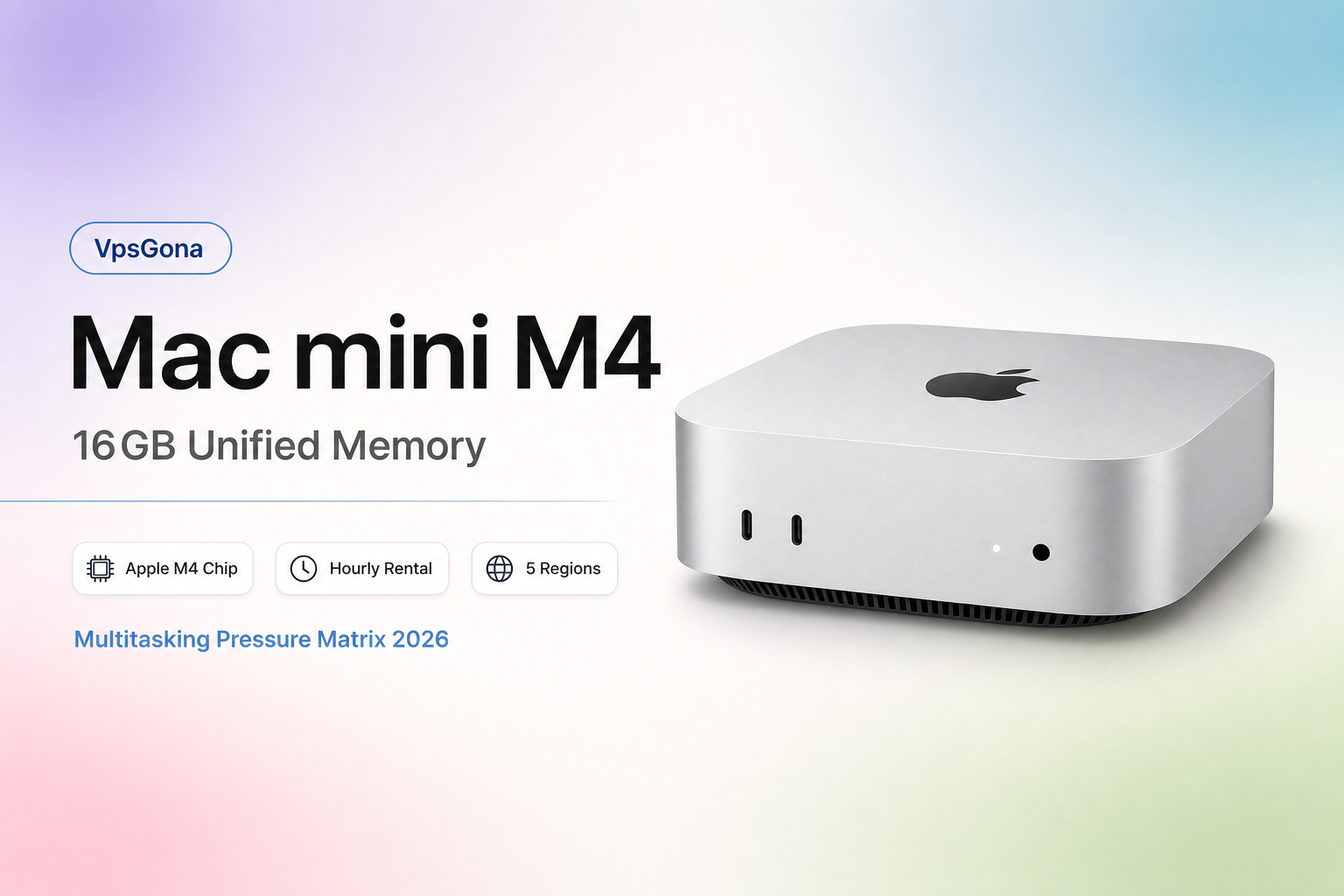
The transition to self-hosting often scares developers due to perceived costs. However, the data proves otherwise: * Data Portability: Platform lock-in typically results in a 70-90% loss of "contextual consistency" when trying to recreate an Agent from scratch elsewhere. * Operational Efficiency: Modern Agent frameworks like LangGraph require minimal CPU overhead for orchestration; the heavy lifting is done by the API. * The Hardware Myth: You don't need a $10,000 H100 GPU cluster. Most Agentic workflows—including vector searches and intent classification—can run comfortably on high-bandwidth unified memory systems. For instance, leasing a Mac mini with Apple Silicon provides a high-performance, low-energy "always-on" node that handles orchestration and local 7B-14B parameter models with ease, offering a much lower entry barrier than purchasing hardware outright.
Conclusion: Securing Your Assets in an Uncertain Era
The events of July 2026 serve as a wake-up call for the AI industry. The "rental" of intelligence through platform-owned GUIs is a temporary convenience that carries terminal risk. While Windows-based servers, Linux cloud instances, or complex Hackintosh setups offer alternatives, they often suffer from high maintenance overhead, energy inefficiency, or stability issues that distract from actual development.
For the professional developer or small team, the most viable path forward is to own the architecture. By utilizing open-source orchestration and reliable, energy-efficient hardware—perhaps through a strategic Mac rental to minimize upfront capital—you ensure that your Agent remains an asset, not a guest on someone else's server. When the next policy shift or platform pivots occur, your logic remains autonomous, your data stays private, and your service keeps running.
FAQ
Related Reading
Secure Your Logic Autonomy with Dedicated Mac Cloud
Deploy your autonomous agents on dedicated Mac mini M4 nodes with no virtualization overhead or platform lock-in.
Protect your intellectual property in a digital sanctuary featuring OpenClaw sandbox isolation and military-grade deep wipes.