2026 Guide: How to Build a High-Performance Dev Environment on Remote Mac via VS Code
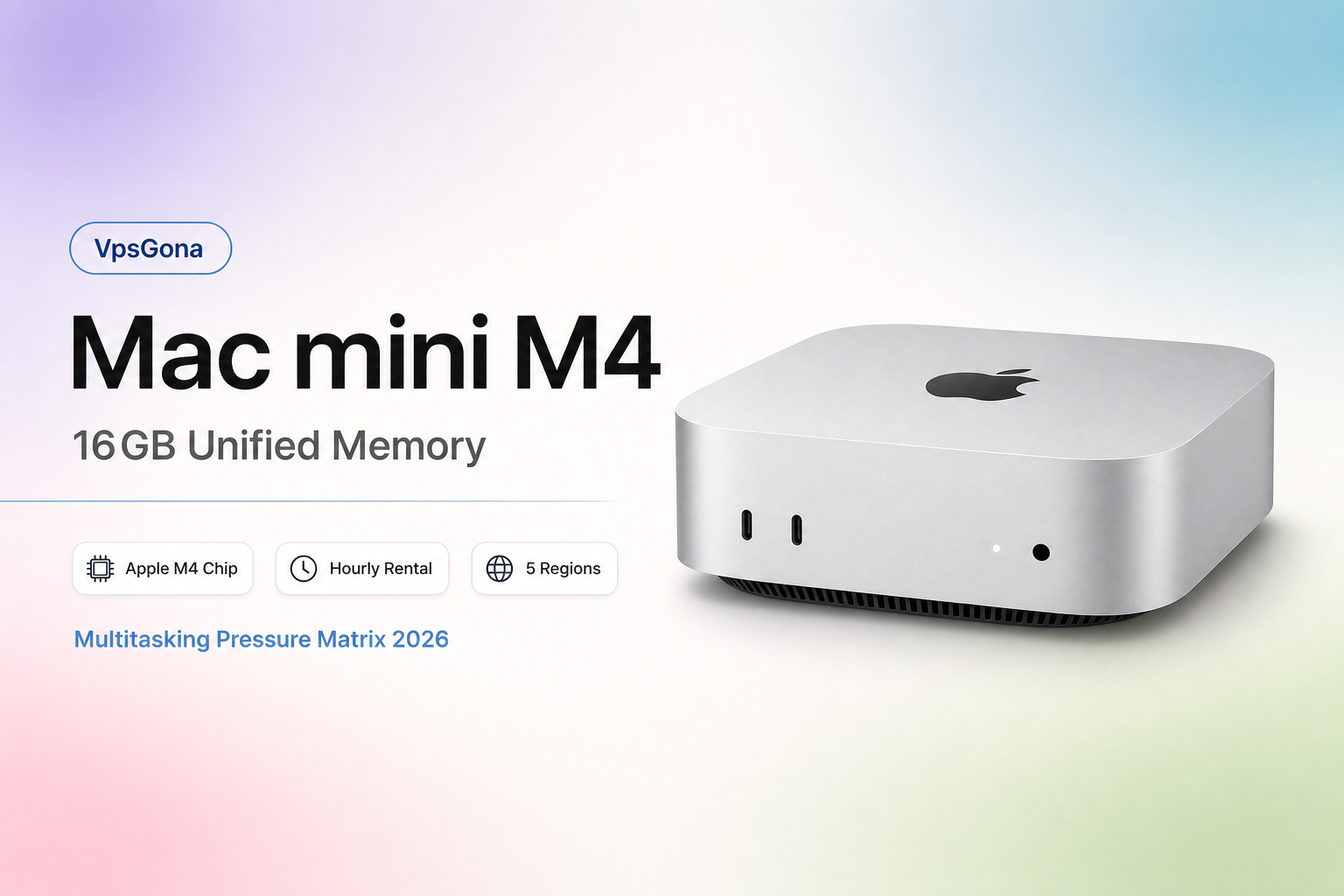
In 2026, the boundary between local and cloud development has officially blurred. For developers needing a macOS environment—whether for iOS development, Safari-specific testing, or building Apple Silicon-native binaries—owning physical hardware is no longer the only (or most efficient) option. By leveraging the VS Code Remote SSH extension, you can turn a powerful remote Mac server into your primary workstation, accessing it seamlessly from Windows, Linux, or even an iPad.
This guide provides a professional-grade roadmap to configuring a headless macOS environment, ensuring your remote workflow is as responsive and robust as a local machine.
Why 2026 Developers Prefer VS Code Remote SSH for Mac
The shift toward remote Mac development isn't just a trend; it's a strategic move for efficiency. Professional engineers are moving away from local MacBooks for several reasons: * Hardware Elasticity: Instantly switch between M2, M3, or the latest M4 Pro configurations based on project demands without capital expenditure. * Unified Environment: Keep your heavy dependencies, multi-gigabyte Xcode toolchains, and proprietary SDKs on a persistent server, accessible from any device. * Build Performance: Offload intensive compilation tasks to a dedicated remote Mac with high-bandwidth data center connectivity, preserving your local machine's battery and CPU.
The Bottlenecks of Traditional Mac Development
Before adopting a remote setup, developers often struggle with these common pain points: 1. Hardware Lifecycle & Costs: Buying a new Mac every 2-3 years to keep up with Xcode requirements is an expensive cycle. 2. Environment Fragmentation: Syncing local dev environments across a desktop, a laptop, and a home office machine leads to "it works on my machine" errors. 3. Network Constraints: Downloading huge Homebrew packages or pulling large Docker images on a standard home Wi-Fi connection is a significant time sink.
Decision Matrix: Local Mac vs. Remote Mac Rental (2026)
| Feature | Local Mac mini / MacBook | Remote Mac (vpsgona.com) |
|---|---|---|
| Initial Cost | $699 - $2,500+ | $0 (Subscription based) |
| Accessibility | Physical tethering | Any device with SSH/VNC |
| Scalability | Fixed (Requires hardware upgrade) | Dynamic (Upgrade plan instantly) |
| Internet Speed | Home/Office ISP | Data Center (Gigabit+) |
| Maintenance | Manual hardware care | Provider managed |
How to Configure VS Code Remote SSH on a Remote Mac
Step 1: Secure Your Remote Mac Access
Obtain a remote Mac instance with full root permissions. Ensure you have the IP address, username, and password. Most professional setups will also require you to ensure SSH is enabled via System Settings > General > Sharing > Remote Login.
Step 2: Generate and Deploy SSH Keys
To avoid entering passwords constantly, generate a high-security key pair on your local machine:
ssh-keygen -t ed25519 -C "your_email@example.com"
ssh-copy-id -i ~/.ssh/id_ed25519.pub username@remote-mac-ip
Step 3: Install the VS Code Remote Development Extension Pack
Open VS Code on your local machine, navigate to the Extensions view (Ctrl+Shift+X), and search for "Remote Development". This pack includes Remote - SSH, which is essential for this workflow.
Step 4: Configure the SSH Host
Click the green icon in the bottom-left corner of VS Code and select Open SSH Config File. Add your Mac server:
Host remote-mac
    HostName your-mac-ip-or-domain
    User your-username
    IdentityFile ~/.ssh/id_ed25519
Step 5: Initialize the macOS Toolchain
Once connected, open the VS Code terminal. It is now executing on the Mac. Initialize your environment by installing Homebrew:
/bin/bash -c "$(curl -fsSL https://raw.githubusercontent.com/Homebrew/install/HEAD/install.sh)"
brew install git zsh node python
Hard Data: The Power of Remote Mac
- Compilation Speed: Moving from an older Intel Mac to a remote M3 Max instance via SSH can reduce Xcode build times by up to 65%.
- Network Latency: Using a remote Mac in a top-tier data center provides 1Gbps+ symmetrical speeds, making
npm installfor large projects take seconds rather than minutes. - Cost Efficiency: For a 3-month project, leasing a high-end Mac costs approximately 15-20% of the retail price of the equivalent hardware.
Is Remote SSH the Ultimate Solution?
While VS Code Remote SSH is incredibly powerful for coding, it is inherently specialized for text-based development. If your project involves heavy GUI design in Interface Builder or real-time 3D rendering in Unity, a standard SSH connection alone will fall short. Relying on local hardware for every task often leads to wasted resources, thermal throttling, and logistical headaches when working remotely.
For developers seeking a professional, zero-maintenance macOS environment that scales with their workload, leasing a remote Mac is the superior choice for 2026. vpsgona.com provides instant access to high-performance remote Mac instances with full root access, pre-optimized for VS Code Remote SSH. Stop worrying about hardware depreciation and start building on a dedicated Mac server today.
FAQ
Related Reading
Supercharge Your Mac Dev Stack with M4 Power
Deploy a dedicated Mac mini M4 with 10-core CPU and 16GB RAM in under 5 minutes.
Enjoy pure hardware performance with no virtualization overhead for faster CI/CD and Xcode builds.